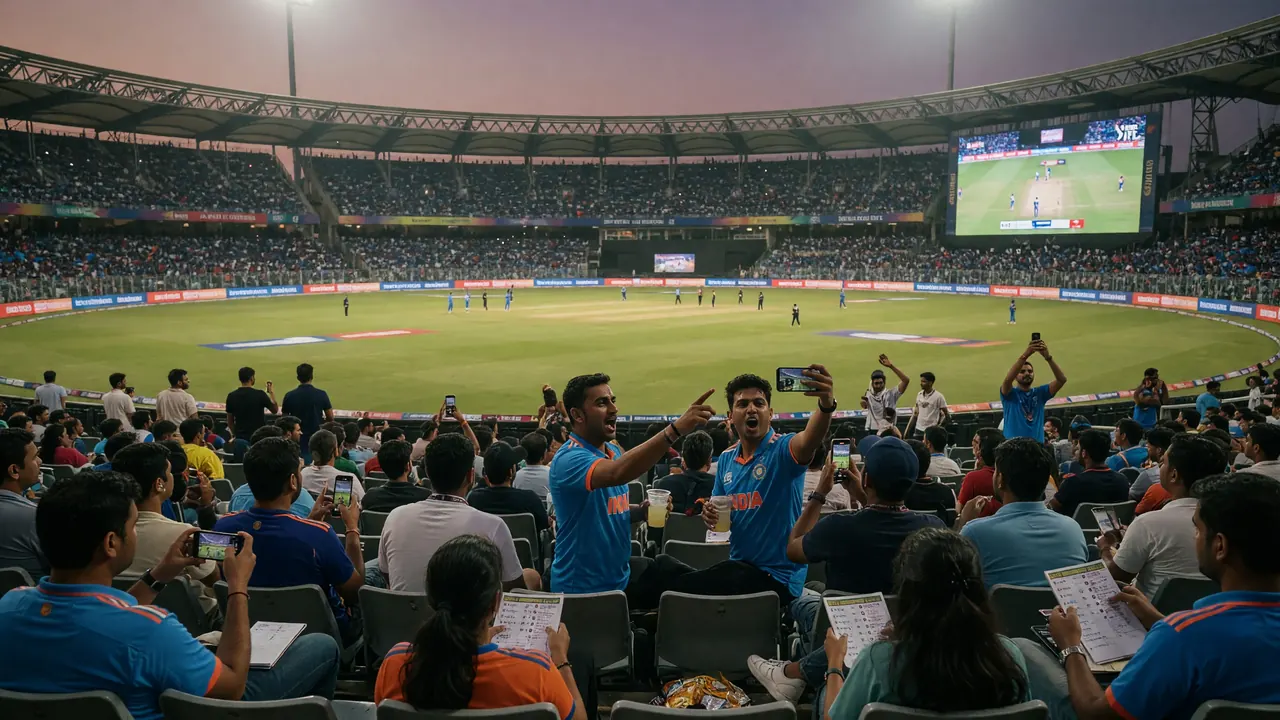
On 30 March 2026, Best Media Info published a marketing-desk report by Shilpashree Mondal on Dream11’s posture as IPL 2026 opened. The company was no longer organising the season around paid pre-toss team building. Once India’s 2025 online money-gaming statute barred paid money games, the app’s public story had already shifted toward free contests, creator-led watch-alongs, live chat and in-app gifting.
The report treated IPL 2026 as the first major proving ground for that rebuilt product map. Dream11 still carried a massive registered base — more than 250 million users, according to the company — but the product question had changed. Could second-screen entertainment, polls, shout-outs and free participation hold the attention once kept by cash contests and last-minute XI edits?
What follows is a retrospective reading of that March 2026 record: the legal break that forced the pivot, the entertainment features Dream11 pushed into the season, the creator roster and commercial claims that accompanied the relaunch, and the habit the industry was trying to replace. Dates stay fixed to the source window. No later performance claims are added beyond what Best Media Info reported then. Related desk coverage of the wider season sits under cricket news and fantasy impact.
The 2025 law that closed the old cash loop
The legal hinge in the Best Media Info piece is precise. On 22 August 2025, the President assented to India’s 2025 online money-gaming statute — formally the Promotion and Regulation of Online Gaming Act. From that date, paid money games conducted online were outlawed. For a company whose peak seasons had been built on paid entry contests, the assent calendar was a hard stop rather than a soft regulatory fog.
Once the statute was in force, Dream11 stopped cash contests and steered users into unpaid formats. By December 2025, public messaging no longer cast the product as a pure fantasy gaming app; the company was selling itself as a broader sports entertainment destination. That December marker matters because it shows the product language changed months before IPL 2026, not merely in a last-minute marketing line when the tournament began.
For fantasy managers who had spent years timing captain switches against toss windows, the practical consequence was simple: the money-pool ritual that structured evenings disappeared. The March 2026 report is useful because it does not romanticise that loss. It records the corporate answer that followed — keep people inside the match conversation through creators and free participation, then try to monetise attention through ads and sponsorships rather than entry fees.
What “watch-along” meant inside the app
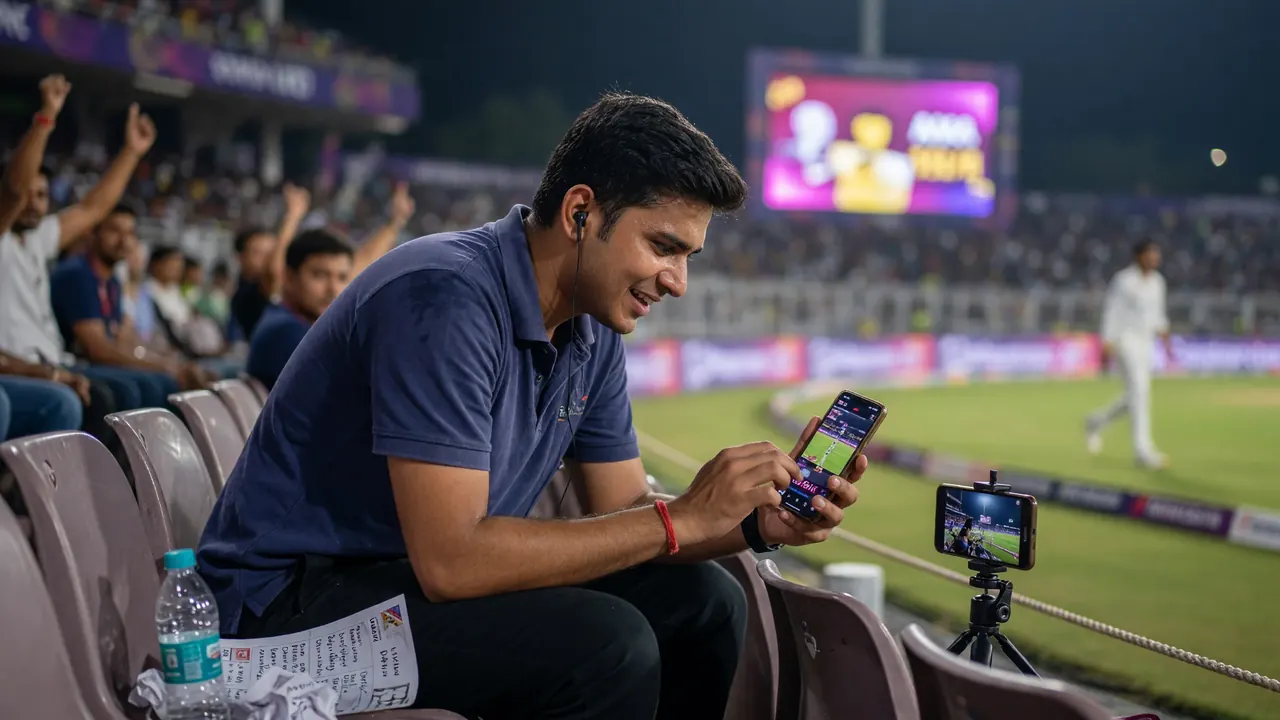
Best Media Info cast Dream11’s IPL 2026 pitch as a stretch past the old pre-toss team-build window and into continuous second-screen time. The reported toolkit was concrete: creator streams while the match ran, chat rooms, opinion polls, gifting loops and unpaid contest formats. The goal was to keep users active while the ball was in play, not only in the hour before lock-in.
On Google Play, the company framed the product as a sports watch-along app built around creator streams. Best Media Info noted on-air talent such as former India spinner R Ashwin, Indian digital host Tanmay Bhat and ex-England seamer Stuart Broad — a mix of cricket specialists and a mainstream creator brand. That mix signalled an entertainment brief rather than a pure scouting tool.
Inside the product surface, the March report catalogued engagement levers rather than a single prize mechanic: DreamBucks as an in-app currency layer; shout-outs and pinned comments for status inside chat; live chat rooms and polls for continuous reaction; Hit or Miss style micro-challenges tied to deliveries; and virtual gifts as a visible participation signal. Those tools convert a broadcast into a room with status and reaction loops. A pinned comment is social hierarchy. A poll is a low-friction opinion bet without cash stakes. A Hit or Miss challenge turns a delivery into a micro-event. Virtual gifts and shout-outs create visible participation even when no rupee prize pool is on offer.
None of that recreates the old paid-contest dopamine by itself. It does, however, explain why Dream11 needed a dense interaction layer once entry fees were gone. Free-to-play alone can feel thin if the only remaining action is building a side that pays nothing. The March report’s emphasis on chat, polls and gifting shows the company trying to thicken the session around the live ball, not just the team sheet.
Creators as the new match-day workforce
Best Media Info put Dream11’s live-match creator slate at roughly one hundred people, mixing sports-media voices with ex-players. That figure is operational, not decorative. A 74-match IPL calendar needs continuous on-air energy across weeknights and double-headers. A hundred-person roster is built for volume: multiple rooms, staggered start times, and different tones for different audience pockets.
The presence of former players such as Ashwin and Broad also gave the streams a scouting vocabulary fans already trusted, even if the commercial purpose had changed. Tanmay Bhat’s inclusion pointed the other way — toward comedy, reaction culture and mass digital reach outside hardcore cricket media. Together they sketched a hybrid room: half analysis desk, half creator livestream.
One franchise-side example in the report underlines how far the exclusivity pitch went. According to Best Media Info, Rajasthan Royals chose a Dream11-only live stream to reveal its new captain. That is not a side promo. It is franchise news distribution routed through a consumer app that no longer sold paid fantasy seats. In the post-ban map, access to moments became part of the product value.
Scale claims and the advertising door
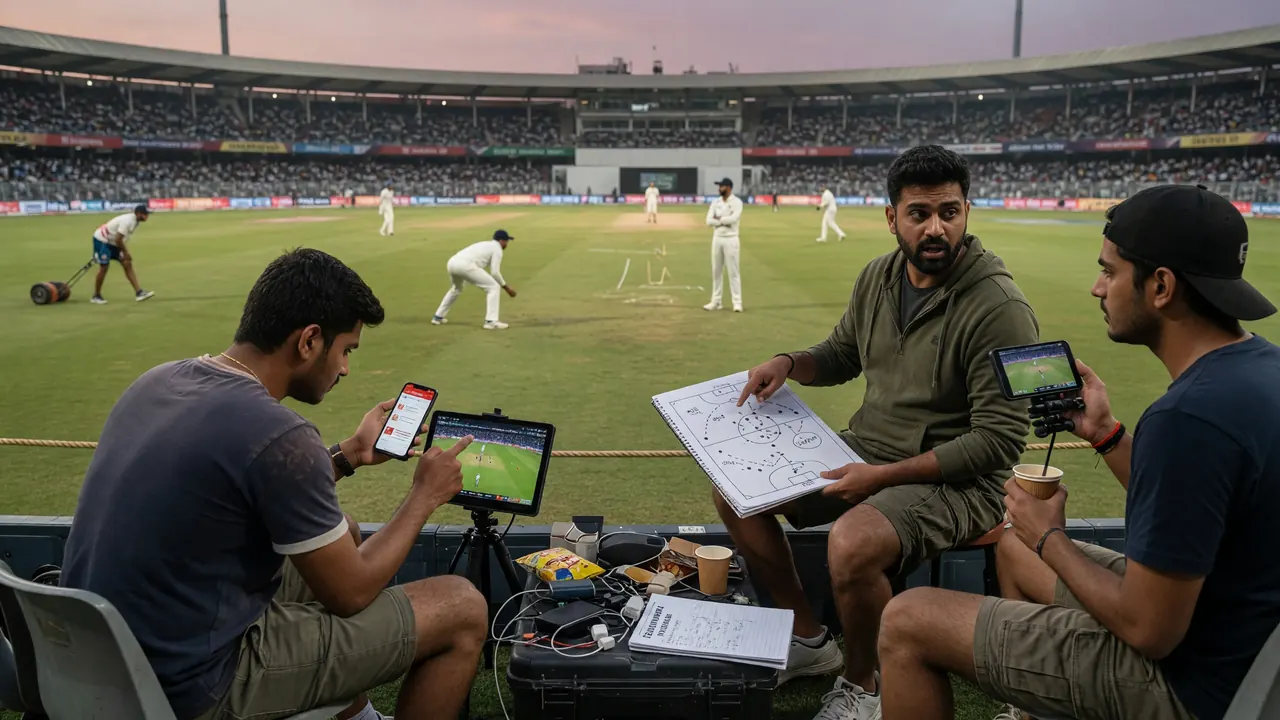
Two audience numbers sat at the centre of the March 2026 commercial story. Dream11 put its registered base above 250 million. Separate media figures quoted in the same Best Media Info report said the Watch Along product was aiming for 50 million monthly actives across that IPL window. The first figure is a lifetime or registered-base claim; the second is a seasonal product target. Keeping them separate is essential. A 250-million user ledger does not automatically mean 50 million people open watch-alongs every month.
The advertising case had been set out earlier. By September 2025, parent company Dream Sports was already arguing that free play unlocked brand money: Dream11 could now sell ads and sponsorship inventory against a young, high-frequency audience. Internal figures quoted in the report put the daily audience near the 10-million mark, with close to 70 percent of that group between 18 and 35, and listed commercial partners such as Swiggy, Astrotalk and Tata Neu. Those names sit in food delivery, astrology and multi-brand rewards — categories that buy mobile attention rather than fantasy-entry funnels.
Read together, the September 2025 commercial claim and the March 2026 product push form one sequence. First, stop paid contests. Second, keep a young daily audience alive on free play. Third, sell that audience to advertisers. Fourth, use IPL 2026 and a large creator slate to prove that watch-along sessions can be thick enough to justify the new model. Best Media Info’s report is a snapshot of step four as the league began.
Could creators replace the old fantasy habit?
The headline question in the original report was whether watch-alongs and creators could replace the old fantasy habit. The verified facts do not answer that with a season-end scoreboard. They do define what “old habit” meant: selecting a side before the toss, attaching money or competitive stakes to that side, and tracking points as the match unfolded. That loop mixed planning, risk and live scoreboard feedback.
The replacement loop is different. Free-to-play can preserve the planning layer. Watch-alongs, polls and gifts try to preserve the live-session layer. Advertisers try to replace the revenue layer. What is missing, by design of the 2025 law, is the personal cash stake that once made every boundary feel like a wallet event. Creator energy can deepen commentary. It cannot legally restore a prohibited money game.
That distinction is why the March report remains useful months later as a historical marker rather than a verdict. It captures the industry’s first full IPL under the post-ban architecture: a former fantasy giant listing itself on Google Play as a sports watch-along app, staffing a creator bench near the hundred mark, hunting a 50-million monthly Watch Along audience, and pointing to brand partners already buying the free-play crowd.
For readers who still build free sides or follow second-screen rooms, the practical takeaway from the 30 March 2026 record is structural. The company that once organised Indian cricket evenings around paid team selection had, by IPL 2026, reorganised those evenings around live conversation, lightweight challenges and brand-funded attention. Whether that feels like a substitute is a user judgment. That it was the deliberate corporate response after 22 August 2025 is a documented fact.
Timeline fixed by the source
A clean chronology helps keep the retrospective honest. On 22 August 2025 the online money-gaming statute cleared presidential assent and barred paid money games. Dream11 then stopped cash contests and moved users onto free formats. By December 2025 the public positioning had moved toward sports entertainment. Within that same post-assent window, Dream Sports’ September 2025 commercial brief already treated brand ads and sponsorships as the replacement revenue path, backed by roughly 10 million daily actives and a young demographic skew.
By the time Shilpashree Mondal’s Best Media Info article landed at 5:37 PM IST on 30 March 2026, IPL 2026 was the stage on which those earlier decisions had to perform. The creator roster size, the Google Play watch-along positioning, the Royals captain reveal exclusive to the app, DreamBucks and the wider live-engagement toolkit were presented as the operating system for that stage.
Nothing in the source claims those tools fully replaced cash fantasy for every former user. The report’s value is that it freezes the bet itself: creators plus free play plus brand money, tested at IPL scale, after the law removed the old product core.
What still matters from the March 2026 record
Retrospectives earn their keep when they separate durable structure from temporary campaign colour. The durable structure here is the forced unbundling of fantasy selection from money contests, followed by a second-screen entertainment rebuild. The temporary colour includes specific creator names, a single franchise captain reveal and the exact advertiser list available in September 2025.
The durable questions remain legible. How many people will open a watch-along room when there is no cash leaderboard? Can free contests hold the pre-match planning ritual without a prize pool? Will brands keep buying a young daily audience if session depth depends on creator supply every match night? Best Media Info did not close those questions on 30 March 2026. It did record the product and commercial architecture Dream11 carried into the season while asking them.
Compared with pure match-preview notes, the Mondal report is thinner on XIs and thicker on platform design. That is why it still works as a teaching text for anyone studying how Indian cricket apps reorganised after the 2025 ban. It is a dated media-business document about habit redesign, not a live scorecard.
The lasting read
On 30 March 2026, Best Media Info reported that Dream11 entered IPL 2026 by stretching past pre-toss fantasy selection into creator watch-alongs, chat rooms, polls, gifting and unpaid contest formats. Paid contests had already been stopped after the 22 August 2025 assent of the online money-gaming statute, and by December 2025 the company was presenting itself as a sports entertainment platform.
The operating details attached to that shift were specific: Dream11’s claim of more than 250 million users; a media-cited seasonal target of 50 million monthly actives for Watch Along; roughly 100 creators drawn from sports media and former players; Google Play copy that put Ashwin, Bhat and Broad among the stream faces; an engagement stack that ran from DreamBucks through chat hierarchy tools, polls, delivery challenges and virtual gifts; a Royals captain reveal reserved for the app; and a September 2025 commercial brief that sold a daily audience near 10 million — about 70 percent aged 18-35 — to brands such as Swiggy, Astrotalk and Tata Neu.
Read as history rather than breaking news, the piece remains a clean public snapshot of how India’s largest fantasy brand tried to rebuild match-night habit under a money-game ban: keep the cricket conversation, staff it with creators, strip out paid contest entry, and sell the resulting attention. The old fantasy habit was not declared dead in the report. It was declared legally closed as a cash product — and IPL 2026 was cast as the opening full test of whatever came next.