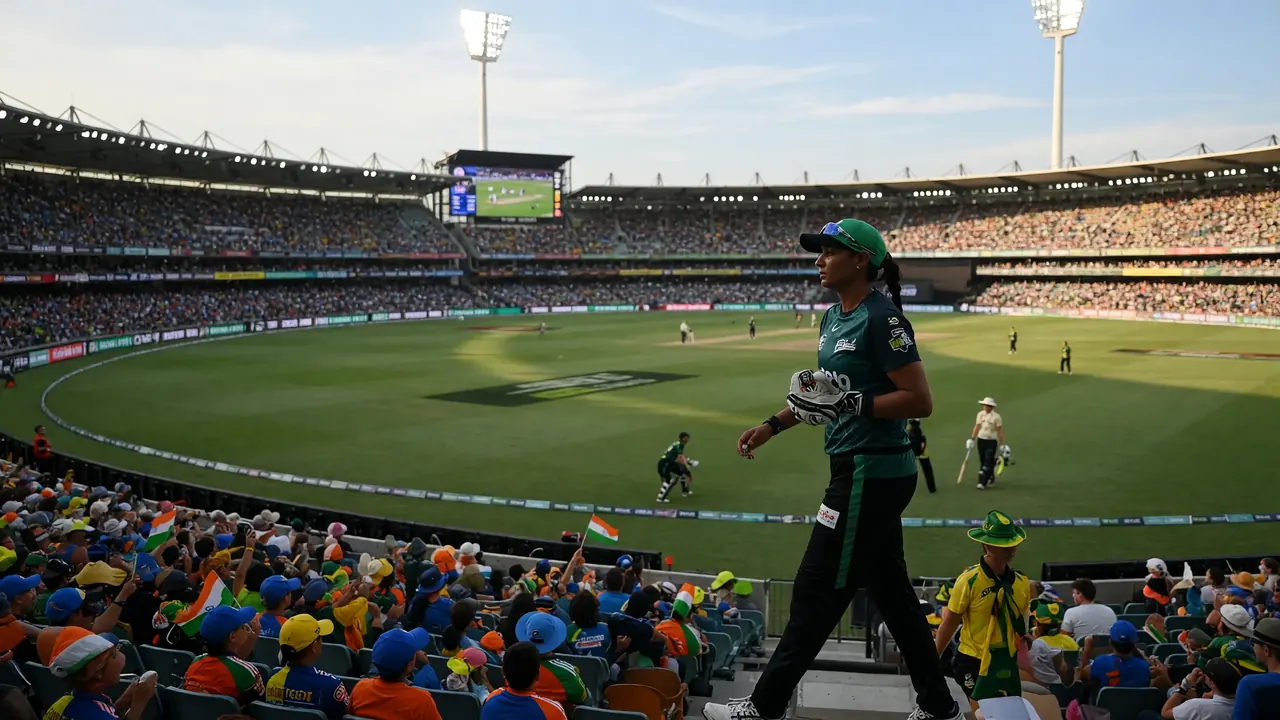
On Sunday, 3 September 2023, the Women’s Big Bash League ran its first overseas draft, and India captain Harmanpreet Kaur left the room as the only Indian player called. Melbourne Renegades placed her in the platinum tier and brought her back to a franchise she had already led through a Player of the Tournament campaign two seasons earlier. The selection was not a surprise to anyone who had watched her recent form, but the empty seats around her on the Indian list were the sharper story of the night.
This retrospective returns to that draft night with the facts as they stood then: who was taken, who was left, what Renegades head coach Simon Helmot said about the choice between Harmanpreet and West Indies captain Hayley Matthews, and how the surrounding calendar — The Hundred, the inaugural Women’s IPL, and an injury-forced absence from the previous WBBL — framed the pick for fantasy managers and ranking boards alike.
Nothing in the record suggests the draft was designed as a referendum on Indian talent. Eight franchises worked through their own overseas budgets, domestic cores and captaincy plans. The result, however, was clear enough to publish without hedging: one Indian name on the board, and six other high-profile Indians still available when the final overseas slots closed.
How Renegades secured a platinum return
Harmanpreet’s path back to Melbourne was not automatic. She had missed the previous WBBL season through injury, so the Renegades were not simply re-signing a sitting overseas star. They were reopening a relationship that had already delivered a standout individual campaign in season seven, when she finished as Player of the Tournament with 406 runs and 15 wickets while leading the side.
Helmot later explained the internal debate in plain terms. The coaching group weighed taking Harmanpreet as early as pick three against the alternative of Hayley Matthews, another platinum-level all-rounder with captaincy credentials. Renegades ultimately secured Harmanpreet as a platinum pick in round two and still landed Matthews in the same draft cycle. That double strike told the rest of the competition that Melbourne was building around multi-skill overseas leadership rather than a single overseas bat or ball option.
For ranking boards that track overseas availability, the platinum label mattered as much as the franchise badge. Platinum status is the tier that signals both salary commitment and expected weekly usage. A captain who bats in the middle order, bowls useful off-spin overs and fields in the circle is already a premium fantasy asset; a platinum tag from a club that has already seen her at her best removes most of the role uncertainty that usually surrounds returning overseas stars.
The form that justified the tier
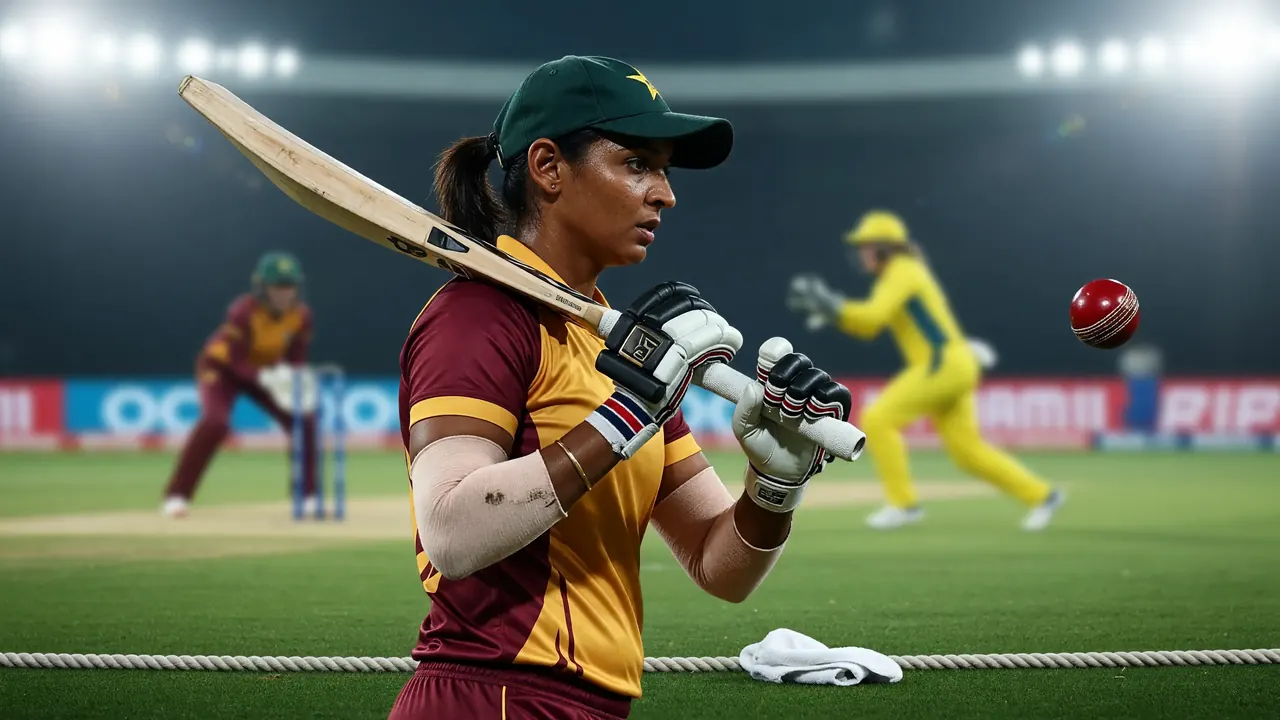
By September 2023 Harmanpreet was not trading on memory alone. Earlier that year she had captained Mumbai Indians to the inaugural Women’s IPL title, a campaign that put her decision-making and finishing under a domestic spotlight that Indian fantasy audiences already understood. She had also turned out for Trent Rockets in The Hundred, keeping her match fitness and white-ball timing current through the English summer before the Australian draft.
The season-seven WBBL numbers remained the cleanest statistical case for a platinum return. Four hundred and six runs plus fifteen wickets is the profile of a genuine all-round weekly contributor rather than a specialist who needs the right match-up to justify a place. Franchises drafting at the top of the overseas board are usually hunting for that combination: enough batting ceiling to win a chase, enough bowling overs to justify a second skill on the team sheet, and enough leadership experience to steady a young domestic core.
The injury absence from the previous WBBL season did not erase those numbers. If anything, it made the Renegades’ round-two commitment a clearer statement of confidence. They were not drafting a player already locked into their current squad rhythm; they were drafting a proven performer they expected to reinstall as a central piece once fitness was no longer a question.
First overall pick and the wider draft shape
Sydney Thunder opened the inaugural overseas draft by taking South African all-rounder Marizanne Kapp first overall. Kapp’s selection set the tone for the evening: multi-skill overseas players with proven Big Bash or global franchise value went early, and pure specialists waited longer. Against that backdrop, Harmanpreet’s platinum placement sat comfortably inside the same logic rather than as an outlier driven by nationality or brand alone.
Renegades’ decision to pair Harmanpreet with Matthews is the other structural detail worth keeping. Two overseas captains in the same overseas group is unusual only if a club treats captaincy as a single fixed role. Helmot’s comments after the draft suggested the opposite: the club saw value in both players and was prepared to spend platinum capital to avoid choosing one and losing the other. For opponents, that meant preparing for a Renegades XI that could lean on either player for middle-order batting, spin overs or on-field direction depending on conditions.
The draft itself was a new mechanism for the competition. Before 2023, overseas recruitment in the WBBL had not run through a formal multi-franchise draft of this kind. The first edition therefore created a public ranking of overseas demand that fantasy managers and scouting desks could read in one sitting. Who went in round one, who waited until round two, and who never heard their name called became a single data set rather than a scatter of private contract announcements.
The Indians who were not called
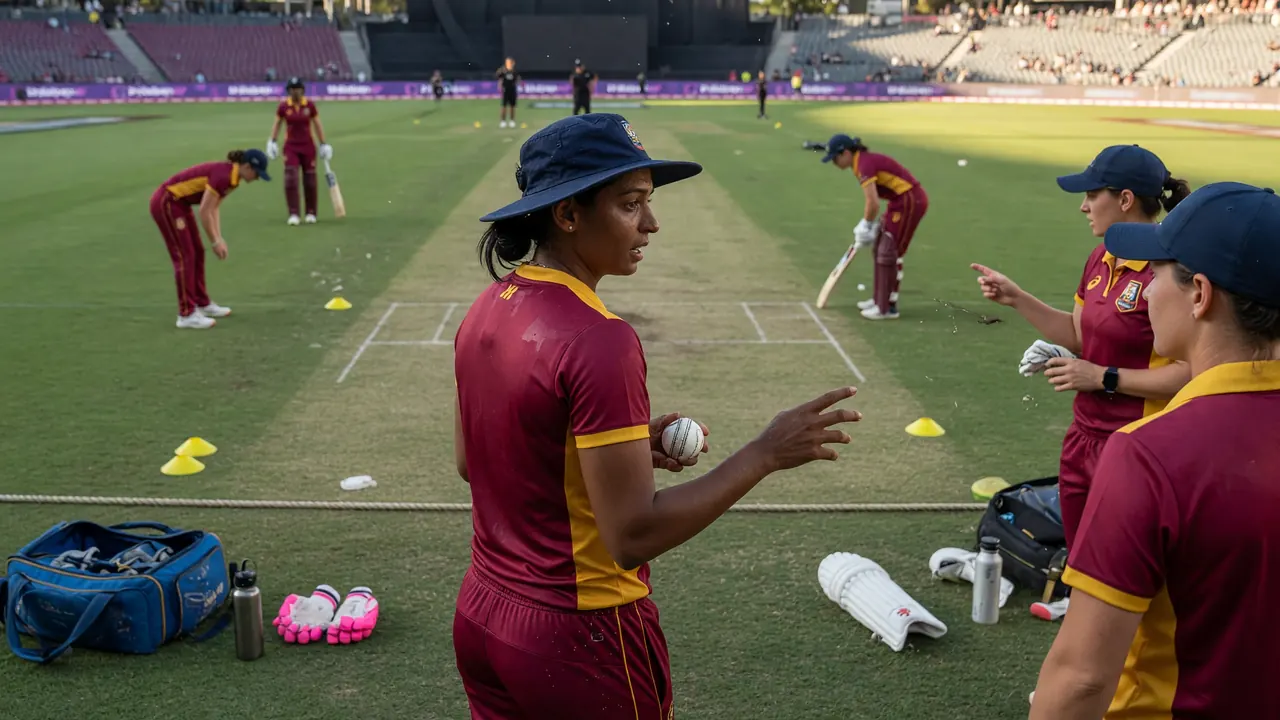
The sharper Indian angle on the night was not Harmanpreet’s selection. It was the list of players who remained unpicked after every franchise had filled its overseas allocations. Jemimah Rodrigues, Deepti Sharma, Richa Ghosh, Yastika Bhatia, Harleen Deol and Pooja Vastrakar were all available and all went unselected by the eight WBBL clubs.
That outcome does not require a single explanatory theory. Franchises draft against salary caps, role needs, existing domestic depth and the specific overs they still need to cover. An Indian batter who thrives at the top of the order in home conditions may not map cleanly onto a club that already has an overseas opener locked in. An Indian spinner may be surplus if the domestic group already carries two quality slow-bowling options. Availability for the full tournament window also shapes overseas lists in ways that pure ranking tables ignore.
Even with those caveats, the optics were unavoidable for Indian audiences. One captain from the Women’s IPL-winning side was taken at platinum; several of her international teammates were not taken at any tier. For fantasy ranking systems that weight overseas league opportunity, the draft created a hard split: Harmanpreet gained a confirmed WBBL runway, while the unpicked group returned to the domestic and international calendar without that Australian short-form block on their schedule.
The names on the unpicked list also mattered because they were not fringe candidates. Rodrigues had already shown white-ball fluency for India. Deepti Sharma offered the all-round profile franchises usually chase. Ghosh and Bhatia brought wicketkeeping and middle-order power. Deol and Vastrakar covered batting depth and seam bowling. When a draft leaves that much Indian international experience on the board, the story is less about one successful pick and more about how narrowly overseas demand concentrated on a single Indian name.
What the night meant for fantasy rankings
Fantasy value in women’s T20 cricket tracks minutes, role certainty and multi-skill contribution more tightly than brand recognition. A platinum overseas slot at Renegades gave Harmanpreet all three. She was expected to bat in a high-leverage middle-order band, bowl overs when the match-up suited, and remain central to the side’s weekly XI rather than rotating as a specialist impact player.
The contrast with the unpicked Indians is mechanical rather than emotional. Without a WBBL contract in that cycle, those players lost a block of high-scoring T20 fixtures that usually feed form tables, ownership trends and captaincy discussions in fantasy contests. Managers who build long-range player boards had to mark Harmanpreet up for confirmed Australian opportunity and mark the others as dependent on domestic league minutes and bilateral series instead.
Matthews’ presence alongside Harmanpreet also shaped the Renegades fantasy read. Two multi-skill overseas players can cannibalise overs if a coach insists on sharing the ball too evenly, or they can stabilise a side so that both remain weekly locks. Helmot’s public comments pointed toward the second path: the club wanted both players badly enough to spend early capital twice. That is usually a signal that roles have been sketched in advance rather than left to pre-season competition alone.
For readers who track the broader Indian player market, the cleanest contemporary reference point sits with the current cricket players and fantasy rankings desk, where form, role security and multi-league opportunity are weighed together rather than treated as separate conversations.
Career context around the 2023 pick
Placed against the rest of Harmanpreet’s 2023 calendar, the Renegades return looks less like a comeback narrative and more like a continuity play interrupted by injury. Season seven had already established her as a WBBL difference-maker. The Women’s IPL title with Mumbai Indians reinforced her standing as India’s white-ball captain in franchise conditions. The Hundred stint with Trent Rockets kept her in competitive rhythm through the northern summer. The draft simply reattached the Australian piece that injury had removed.
That sequence also explains why Renegades were willing to debate her against Matthews at pick three rather than wait. Clubs drafting at the top of an inaugural overseas board are buying probability, not nostalgia. A captain with recent title-winning leadership, documented WBBL production and current match fitness is a higher-probability weekly contributor than a speculative upside pick, even when the speculative pick is younger or cheaper.
The injury line still belongs in the record. Missing a full previous WBBL season is not a footnote for a player whose value depends on bowling overs as well as batting. Renegades accepted that risk at platinum price, which is the strongest franchise-level endorsement available in the draft structure they were using.
Why the draft still matters in hindsight
Retrospectives are useful only when they separate what was known on the night from what later seasons may have added. On 3 September 2023 the verified picture was simple. The WBBL had run its first overseas draft. Sydney Thunder opened with Marizanne Kapp. Melbourne Renegades spent platinum capital on Harmanpreet Kaur and also drafted Hayley Matthews. No other Indian player was selected. Helmot confirmed the internal choice between Harmanpreet and Matthews before Renegades locked both.
Those facts still do useful work for anyone who builds long-range player boards. They show how overseas demand concentrated around multi-skill leaders. They show that a prior Player of the Tournament campaign and a fresh Women’s IPL title were enough to clear platinum thresholds even after an injury absence. And they show that Indian international status alone did not guarantee a WBBL overseas slot once eight franchises had balanced budgets, roles and availability.
The night also left a clean comparison set for later draft cycles. Whenever another overseas board opens, the 2023 baseline is available without speculation: one Indian platinum selection, a Renegades double with Matthews, Kapp first overall for Thunder, and a documented list of Indian internationals who remained unsigned in that mechanism. Later markets can be measured against that distribution rather than against vague memory of who “should” have been picked.
For Indian fantasy audiences specifically, the draft remains a reminder that global short-form opportunity is unevenly distributed even among established internationals. Confirmed overseas minutes change ownership, ceiling and captaincy ranges. The absence of those minutes forces managers back onto domestic form, bilateral series and league-specific role security. The 2023 board made that split visible in a single evening.
The lasting read
Harmanpreet Kaur’s platinum return to Melbourne Renegades was the headline Indian result of the inaugural WBBL overseas draft. The fuller Indian result was narrower: she was the only player from the country selected, while Rodrigues, Deepti Sharma, Ghosh, Bhatia, Deol and Vastrakar were not. Renegades backed the decision with enough conviction to debate her at pick three, take her in round two, and still add Matthews in the same process.
The supporting context has not changed with time. Season-seven production of 406 runs and 15 wickets, a Women’s IPL title with Mumbai Indians earlier in 2023, a Hundred campaign with Trent Rockets, and an injury-forced miss of the previous WBBL season all sat on the table when the pick was made. Helmot’s post-draft comments confirmed the choice was deliberate rather than opportunistic.
Read as history rather than breaking news, the draft night still offers a precise snapshot of how overseas demand valued one Indian captain at the top of the market and left several of her teammates outside it. That snapshot remains the cleanest public record of India’s footprint in the first WBBL overseas draft.