Brand ValuationHoulihan Lokey 2026 IPL Brand Valuation Study
RCB Tops IPL 2026 Brand Value at $312M as League Hits $20.6 Billion Business Value
Royal Challengers Bengaluru became the first IPL franchise to cross $300 million in brand value, while the league's overall business value rose 11.4 percent year on year to $20.6 billion in the 2026 Houlihan Lokey study.
The Houlihan Lokey 2026 IPL Brand Valuation Study frames Royal Challengers Bengaluru as the first franchise to surpass $300 million in brand value.
Compliance Notice: Fantasy cricket involves skill and strategy. 18+ only, in permitted Indian states. Play responsibly.
Royal Challengers Bengaluru have become the first IPL franchise to clear the $300 million mark in brand value, landing at $312 million in the 2026 IPL Brand Valuation Study published by Houlihan Lokey. The figure marks a 16 percent rise from $269 million in the prior edition, and it widens the gap at the top of the franchise rankings at a moment when the league itself is scaling faster than at any point in its eighteen-year history.
The league-wide number sets the bigger context. Aggregate IPL business valuations rose 11.4 percent year on year to $20.6 billion, with the standalone IPL brand itself now valued at $4.3 billion, up 10.3 percent from the 2025 study. It is the second consecutive year of double-digit business value growth, and the league has now added more than $1.1 billion in brand value since 2023 — a stretch that puts the IPL among the fastest-appreciating sports properties anywhere in the world.
Per match, the IPL is now second only to the United States National Football League globally. That single line in the Houlihan Lokey report captures how far the tournament has travelled since its 2008 launch, and why franchise-side economics are moving with a speed that would have looked outlandish five years ago.
RCB's number, and what is driving it
RCB's rise is the most concrete data point in the 2026 study. Their brand value moved from $269 million to $312 million in a single year, an absolute jump of $43 million and a percentage increase of roughly 16 percent. That pace is ahead of the league average, which is already running at double digits, and it is the first time any IPL franchise has been valued above $300 million by Houlihan Lokey.
Three forces are visible behind the move. First, the run of on-field results recorded by Royal Challengers Bengaluru over the most recent two seasons: per the figure caption in The Economic Times' reporting of the study, RCB lifted the IPL trophy in both 2025 and 2026, a back-to-back stretch that reset the franchise's standing with the wider Indian cricket audience. Second, the ownership change that brought Aditya Birla Group, The Times of India, Bolt Ventures and a Blackstone fund together at a $1.78 billion acquisition price — the highest single-franchise valuation since the tournament began in 2008 — set a new floor under any subsequent brand-value read. Third, the marketing reach of that ownership group, which now spans a national newspaper group, a private equity-backed sports venture and one of India's largest conglomerates.
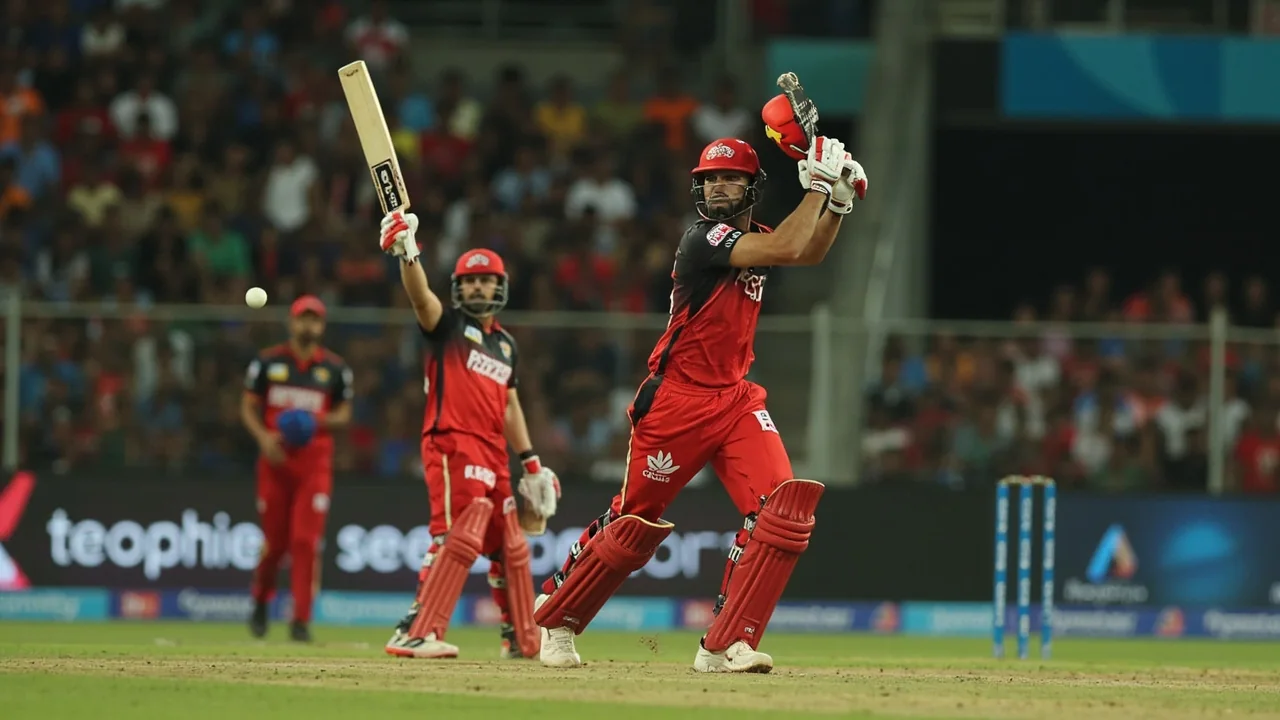
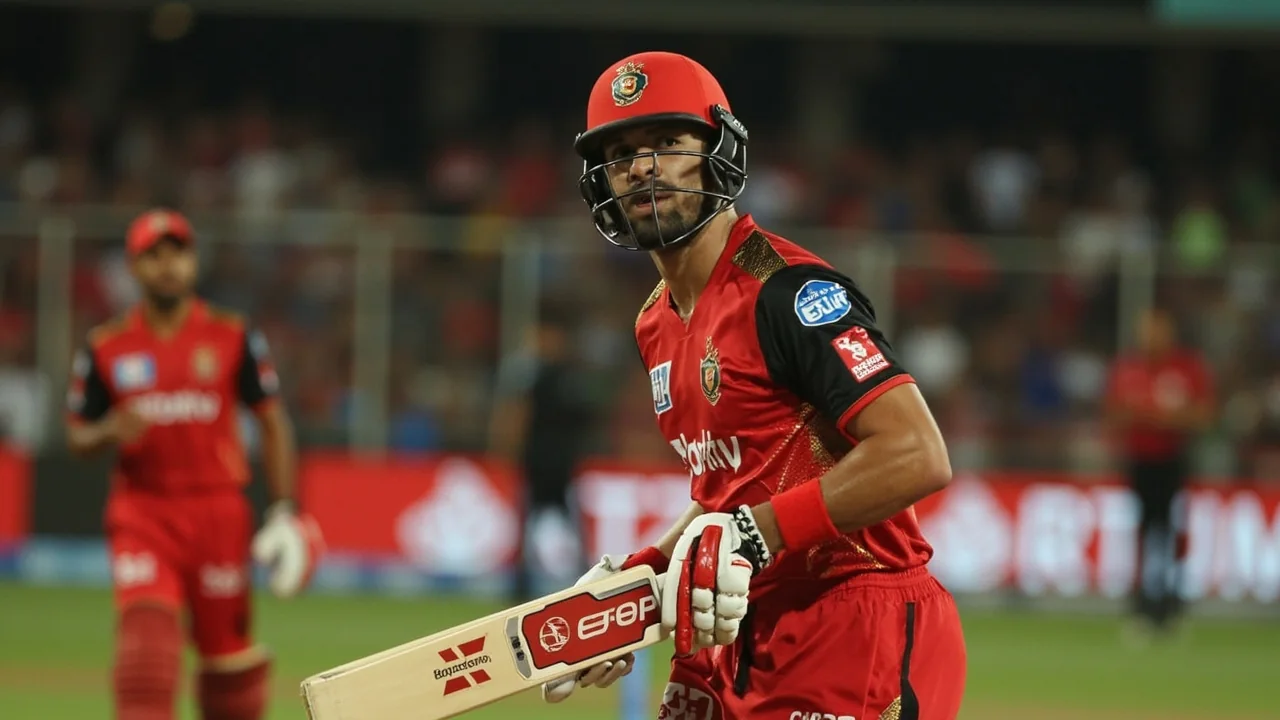
Back-to-back titles and a marquee ownership change have moved RCB's brand ahead of every other IPL franchise in the 2026 valuation cycle.
Satyan Gajwani, co-owner of RCB and chairman of Times Internet, framed the move in plain terms when he spoke after the study's release: RCB's fanbase intensity made the acquisition a special opportunity, and the broader IPL, he said, has the National Football League's attention with only a fraction of its monetisation. That framing — low monetisation ceiling, high global attention — is the operating logic behind the kind of multiples now being applied to RCB and to the league as a whole.
The franchise ranking, line by line
The 2026 study separates the field more clearly than the 2025 edition did. Mumbai Indians ranked second in franchise brand value at $264 million, with Kolkata Knight Riders third at $245 million and Chennai Super Kings fourth at $244 million. The top four are now bunched within roughly $70 million of each other, but the order has tightened: RCB's lead over Mumbai Indians widened to about $48 million, the largest gap the franchise has held at the top of the Houlihan Lokey table.
The Rajasthan Royals deal deserves a separate mention. Steel magnate Lakshmi Mittal's family and Serum Institute CEO Adar Poonawalla bought the franchise at a $1.65 billion valuation, the second-largest single-franchise price in IPL history after the RCB consortium. That transaction is the cleanest sign yet that mid-tier IPL franchises now command prices that look like top-tier valuations in most other domestic sports leagues worldwide.
The combined effect of the RCB and Rajasthan Royals deals, layered on top of the league's 11.4 percent business-value growth, is a market in which buyers are paying record franchise prices at the same time the underlying brand values are accelerating. That combination has not appeared before in the IPL's commercial history, and it is the clearest argument that the league has moved into a different tier of asset class.
Read against the back catalogue of Houlihan Lokey editions, the 2026 study also marks a clear shift in where the brand premium is being assigned. Earlier editions put Mumbai Indians and Chennai Super Kings at the top of the franchise table on the strength of title count and legacy fan reach; the 2026 read gives RCB the crown on a combination of recent titles, a record franchise price and the marketing reach of an ownership consortium that includes a national newspaper group, a private equity-backed sports venture and one of India's largest conglomerates. The Mumbai Indians, Kolkata Knight Riders and Chennai Super Kings retain their position in the $244-264 million corridor because each of them continues to monetise matchday inventory, broadcast share and sponsor renewals at scale, but none of them has matched the RCB step-up in the 2026 cycle.
Why the league-wide number matters
A 10.3 percent rise in the standalone IPL brand on top of an 11.4 percent rise in aggregate business value, in a single year, is the kind of growth that benchmark trackers normally associate with technology platforms in their breakout phase. The IPL is doing it in a sports format that runs roughly two months a year. That contradiction — short season, accelerating value — is exactly why the per-match comparison with the NFL carries real weight.
Houlihan Lokey's framework treats business value as the sum of brand value, media rights value, and franchise equity across the league. Each of those three buckets is rising. Brand value is up 10.3 percent on the standalone league and 16 percent for the top franchise. Media rights continue to anchor the bulk of league revenue, and franchise equity is rising because the underlying teams are selling at record prices and growing their individual brand multiples at the same time.
Brand, media rights and franchise equity are the three components driving the IPL's 11.4 percent rise in aggregate business value.
The total $1.1 billion in additional brand value added since 2023 is the figure that most cleanly captures the speed of the move. Three years ago the league was effectively in the high-teens in total business value. The 2026 study puts it past $20 billion, which is the kind of threshold re-rating that, in any other asset class, would dominate a quarter's market commentary.
What the numbers mean for fans, players and franchise budgets
For fans, the headline impact is competitive intensity. Higher franchise valuations and rising league revenue eventually flow into player auction budgets, support staff investment, stadium infrastructure and the kind of broadcast-grade production that keeps the per-match product rising. That is the same flywheel that drives the Houlihan Lokey per-match ranking in which the IPL sits only behind the United States National Football League, and it shows no sign of slowing in the 2026 study.
For players, the practical read is that the auction ceiling will continue to rise as new ownership groups commit capital. The Rajasthan Royals deal and the RCB consortium deal both came with publicly stated intentions to invest in squad depth and long-term youth pipelines, and the value uplift that Houlihan Lokey has now recorded gives those groups the data room to back up that intent.
For franchises outside the top four, the 2026 ranking creates a clear benchmark. Mumbai Indians, Kolkata Knight Riders and Chennai Super Kings are clustered in the $244-264 million range, and the gap to RCB is now $48 million. Whether that gap closes or widens in 2027 will depend less on the on-field cycle and more on the commercial decisions each franchise makes in the next media-rights cycle and the next round of ownership transactions.
What to watch next in the IPL 2026 valuation cycle
Three concrete signals will shape the next reading. First, the broadcast and digital rights renewal window: any uplift in the central rights pool feeds directly into the standalone IPL brand value that Houlihan Lokey tracks, and the next renewal cycle is the clearest single catalyst on the calendar. Second, the next ownership transaction in any of the franchises outside the top four will reset the franchise-equity component of business value and could move the league ranking again — the Rajasthan Royals deal at $1.65 billion set the benchmark for that tier; the next deal will be the first true test of whether it holds. Third, the way the per-match value gap to the NFL behaves when the next media-rights cycle resets that benchmark, since the per-match ranking is the cleanest external anchor the report uses.
For the wider IPL audience, the more interesting near-term question is whether the 11.4 percent business value growth sustains into a third consecutive double-digit year. The Houlihan Lokey framework has now produced two of those, and a third would put the IPL on a growth path that benchmark trackers normally reserve for platform businesses rather than annual sports tournaments.
For fantasy and cricket-news readers building their reading list around IPL 2026, the editorial angle is straightforward: the league's commercial ceiling is moving faster than the on-field product, and the per-match valuation gap to the NFL is now the single most important number in the global T20 commercial landscape. The IPL Fantasy King editorial desk tracks both halves of that equation, and the next reference point is the broadcast-rights cycle that will frame the 2027 brand-value read. For ongoing coverage of the IPL 2026 commercial picture, fantasy captain picks and match-by-match impact, follow the IPL Fantasy King IPL 2026 news, schedule and fantasy analysis updates.